


Practice
AI systems that answer, book and report
Most automation sold to small businesses is a chatbot that answers questions and then hands the visitor a phone number. The useful version books the appointment, writes it into the diary the business already keeps, and tells someone what happened. That is the difference between a demo and a system, and it is most of the work.
From €2,000fixed price per stage, stop after any of them
What this actually is
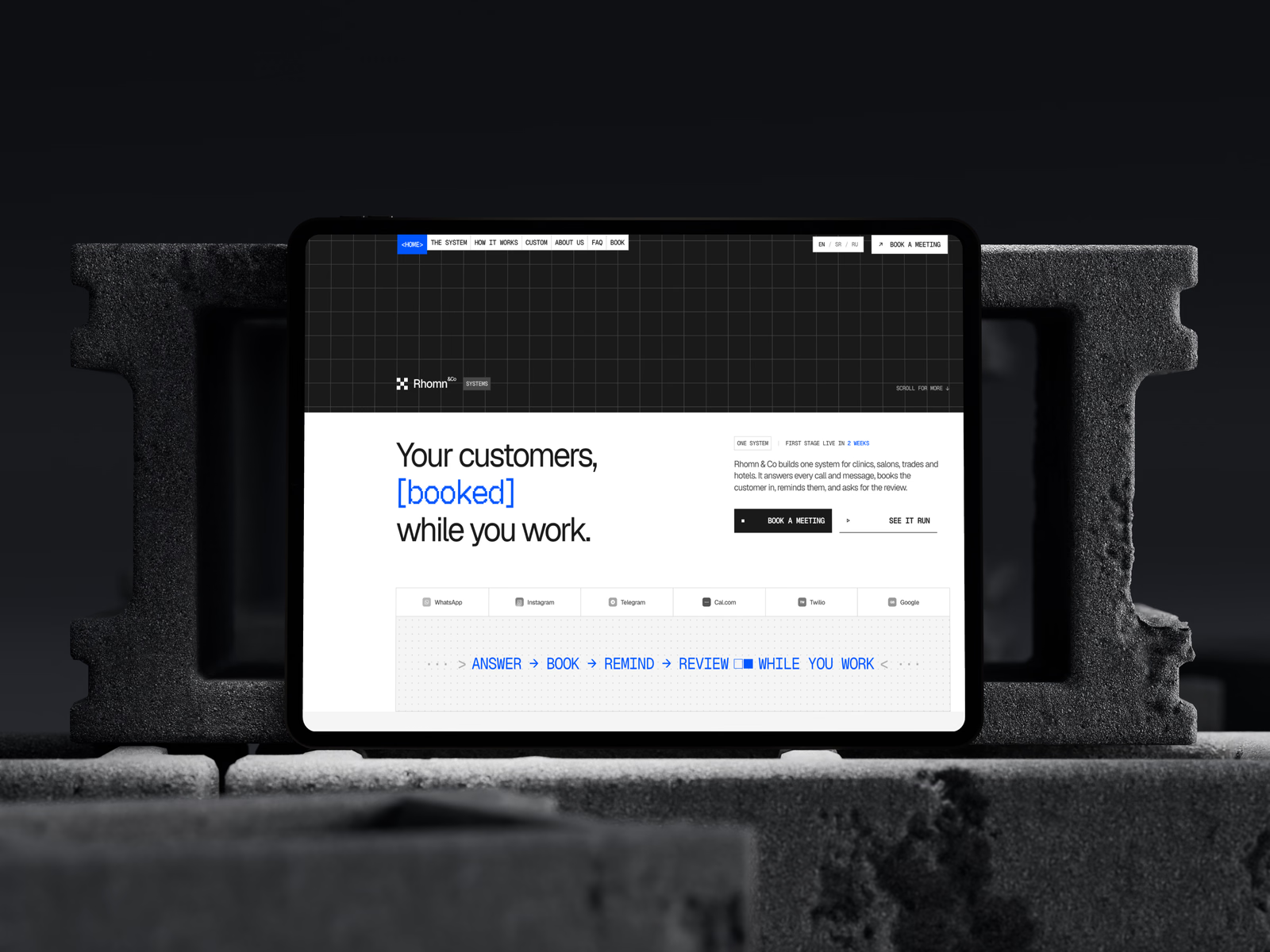
An agent that runs on the business data rather than on general knowledge, connected to the channels where enquiries already arrive and to the calendar someone already opens every morning. Rhomn Systems is the clearest version of it: WhatsApp, Instagram and Telegram on one side, Cal.com, Twilio and Google on the other, and one system holding the conversation across all of them.
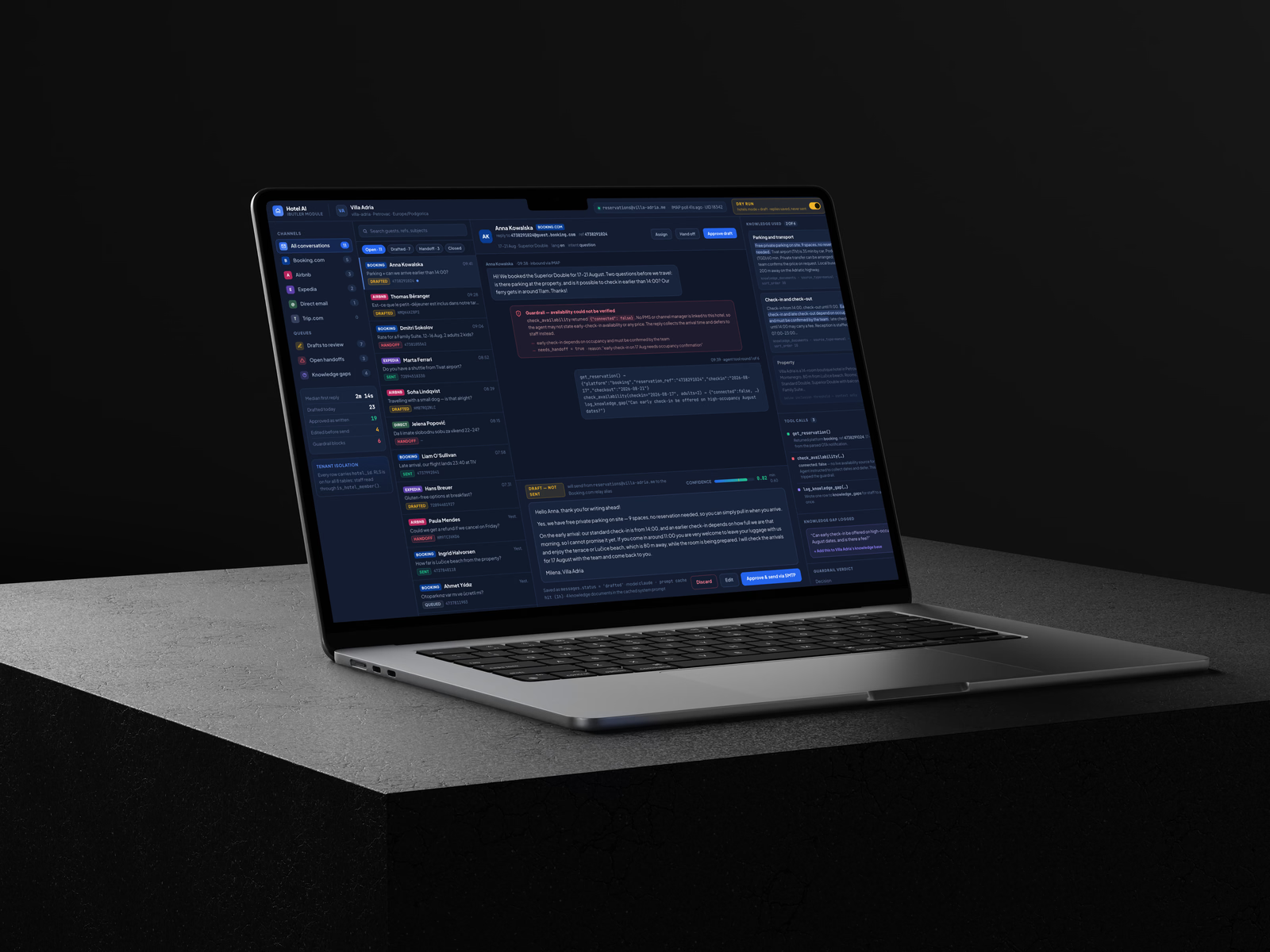
The parts that take the time are not the model. They are the integrations, the rules about what the agent must never answer on its own, and the handover to a person when the conversation stops being routine. A system that books confidently and escalates badly costs more than no system at all.
Who this is for
Businesses where an unanswered message is a lost booking and the person who would answer it is doing something else. Clinics taking calls during a procedure. Hotels getting enquiries at eleven at night in a language nobody on the night shift reads. Trades quoting from a van. The common shape is a small team, a real diary, and enquiries arriving faster than anyone can pick them up.
It is a poor fit where every enquiry is genuinely bespoke, or where the business has no booking system at all and no appetite to start one. In that case the first job is the diary, not the agent.
How it runs
The work is staged and priced per stage, and you can stop after any of them. The first stage is a written map of every path an enquiry can take, including the ones that must reach a person, because that document is what the system gets judged against later. Then the agent is built against your own data, connected to one channel, and run on real traffic before anything else is added.
Adding the second and third channel is deliberately a separate step. One system told four times is how most of these projects fail: the same knowledge rewritten per channel, drifting apart within a month. What gets built here is one source of truth with four front doors.
What moves the price
Two thousand euros covers one agent on your own data, one channel, and the booking integration. The number moves on how many systems have to be spoken to, how strict the guardrails need to be, and whether voice is involved. Voice is the expensive one, because a mistake is heard rather than read and the tolerance for an odd answer is much lower.
Ongoing tuning is a monthly arrangement rather than part of the build. An agent that nobody reads the transcripts of degrades quietly, and the reporting exists so that the degradation is visible before a customer finds it.
What you get
- A written map of every enquiry path, including the escalations
- A custom agent running on your own data, not general knowledge
- WhatsApp, Instagram, Telegram or voice, connected to the channel you already use
- Booking written into your existing calendar, not a new one
- Transcripts and reporting, so the failures are visible
The work this comes from
Written about this



Questions
How much does an AI system cost?
From 2,000 euros for one agent on your own data, one channel and the booking integration. The price moves on how many existing systems it has to speak to, how strict the guardrails need to be, and whether voice is involved.
Will it book into the calendar we already use?
Yes. Writing into the diary a business already opens every morning is the point of the build. A system that keeps its own separate calendar is a second thing to check, which is worse than no system.
What stops it answering something it should not?
A written map of what the agent may answer alone and what has to reach a person, agreed before anything is built. Anything outside it is handed over rather than guessed at.
The other practices are on the services page, or tell us what you are building.