


Practice
MVP app development, from idea to shipped
MVP app development services that stop at a handsome prototype have produced a picture of software. What gets built here runs: a front end, a database, authentication, deployment and the monitoring that tells you when it broke, delivered by the team that designed it. This is the Product & SaaS practice.
Full-stack builds
Mobile-first
Design system
Deployment
What an MVP build includes
MVP app development here means a first version narrow enough to ship and real enough to charge for: one core flow, accounts where the product needs them, a database with row-level security, and a deployment someone is monitoring. The written list of what version one does not do is part of the delivery, because it is what keeps the first release small.
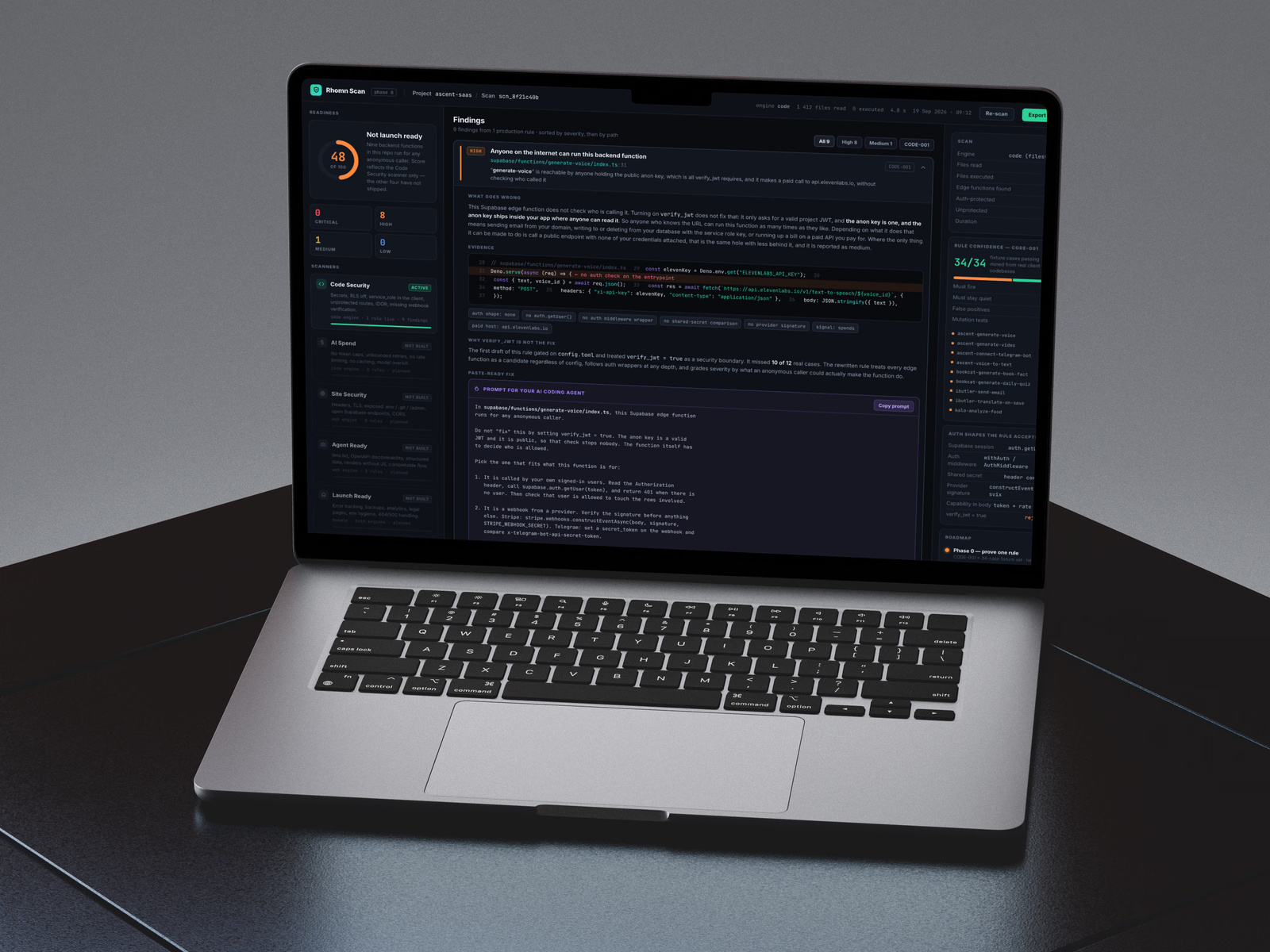
It also covers vibe code cleanup. An app generated with AI tools often reaches a demo and then stalls on exposed keys, missing access rules and routes anyone can call. Rhomn Scan is the audit for that, and the rebuild that follows it is scoped and priced like any other build.
What this is
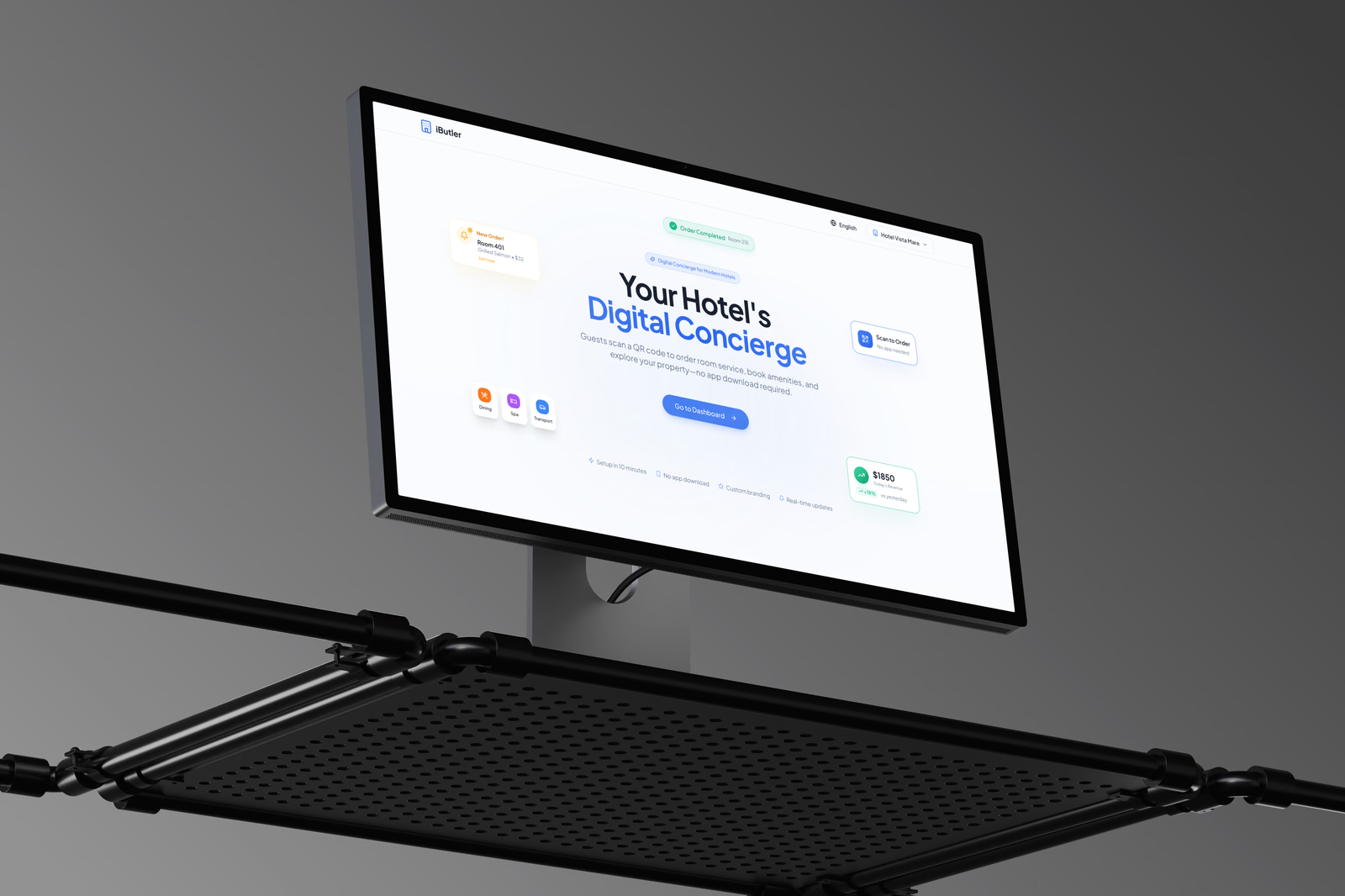
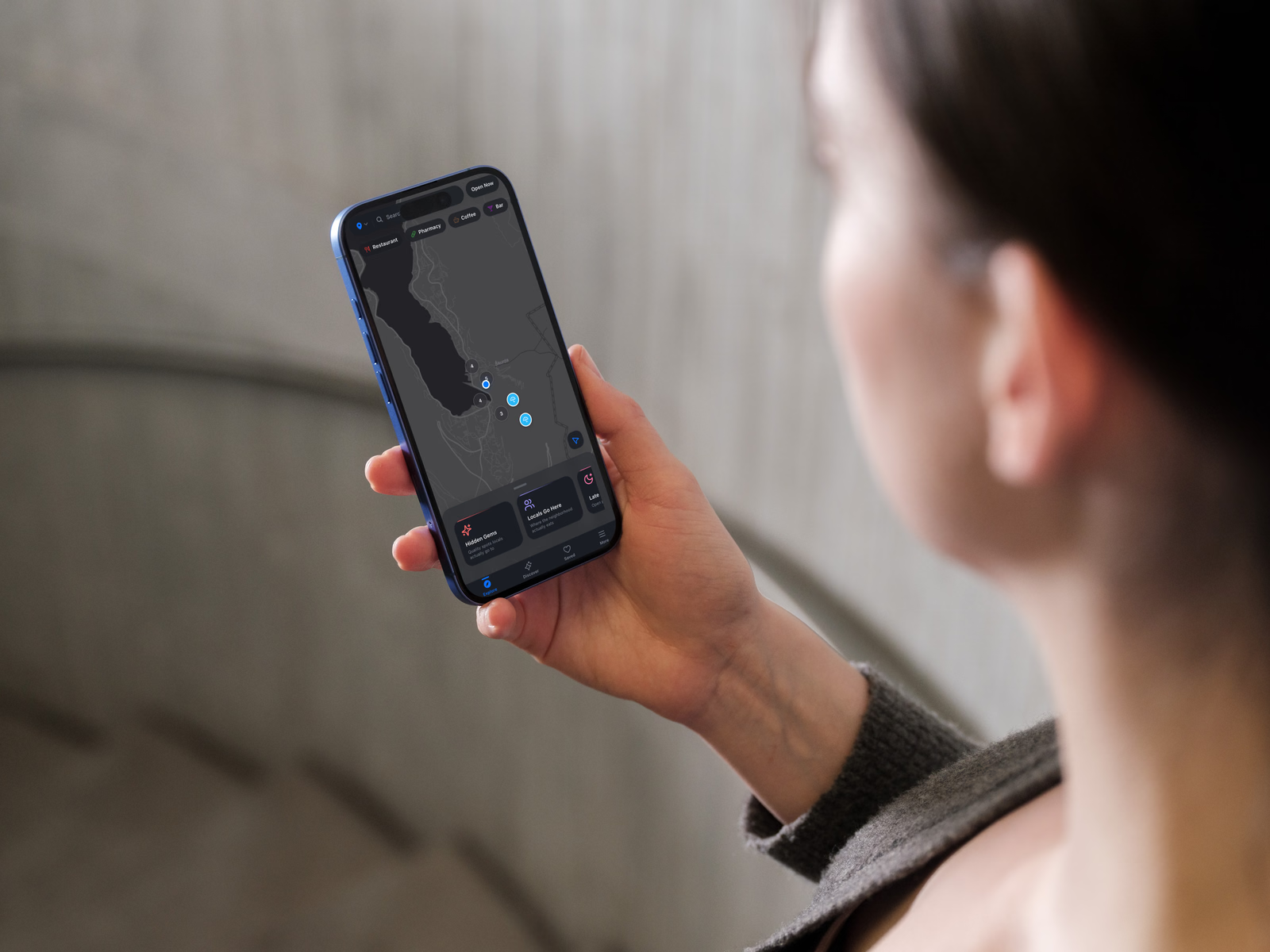
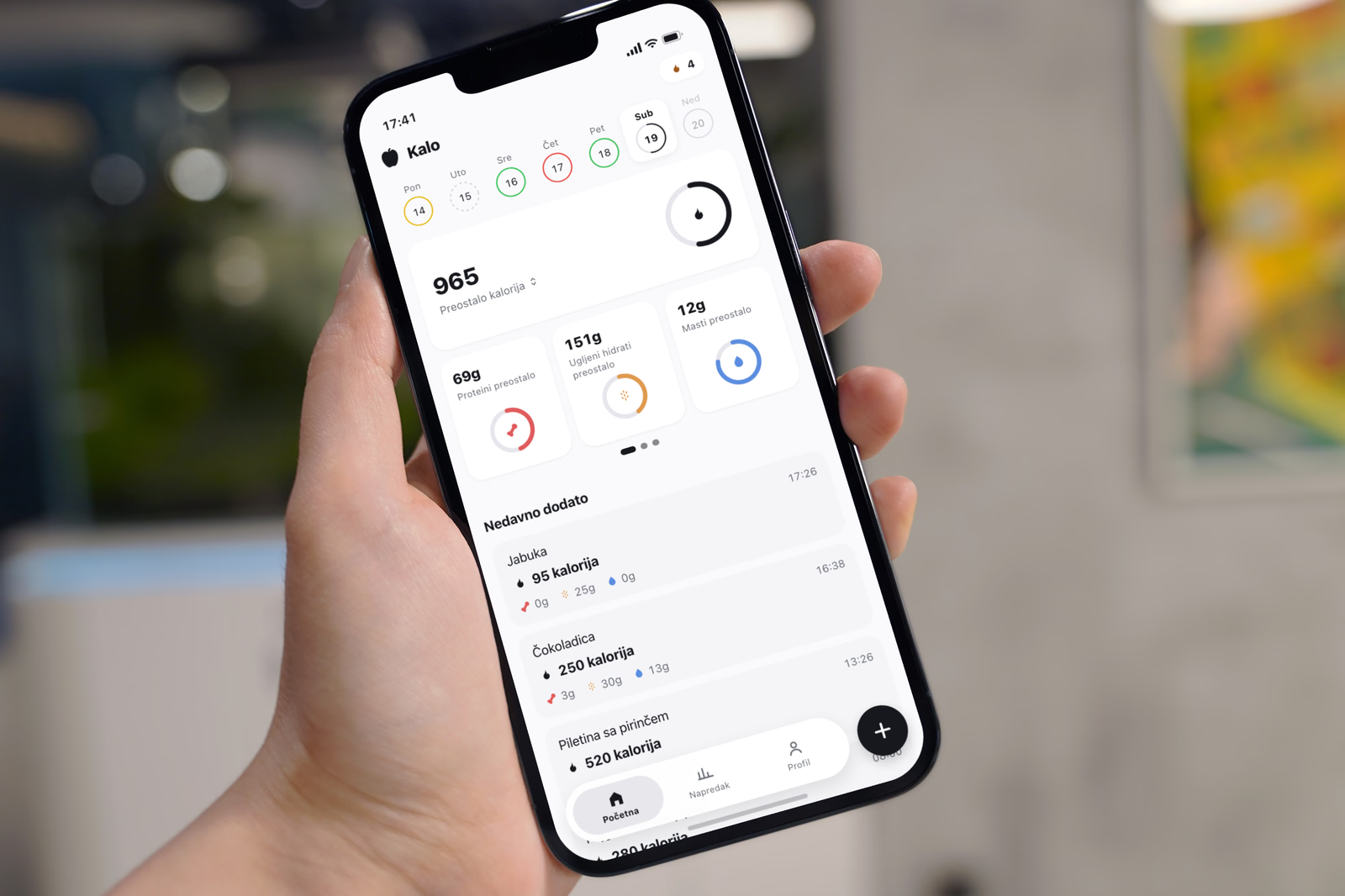
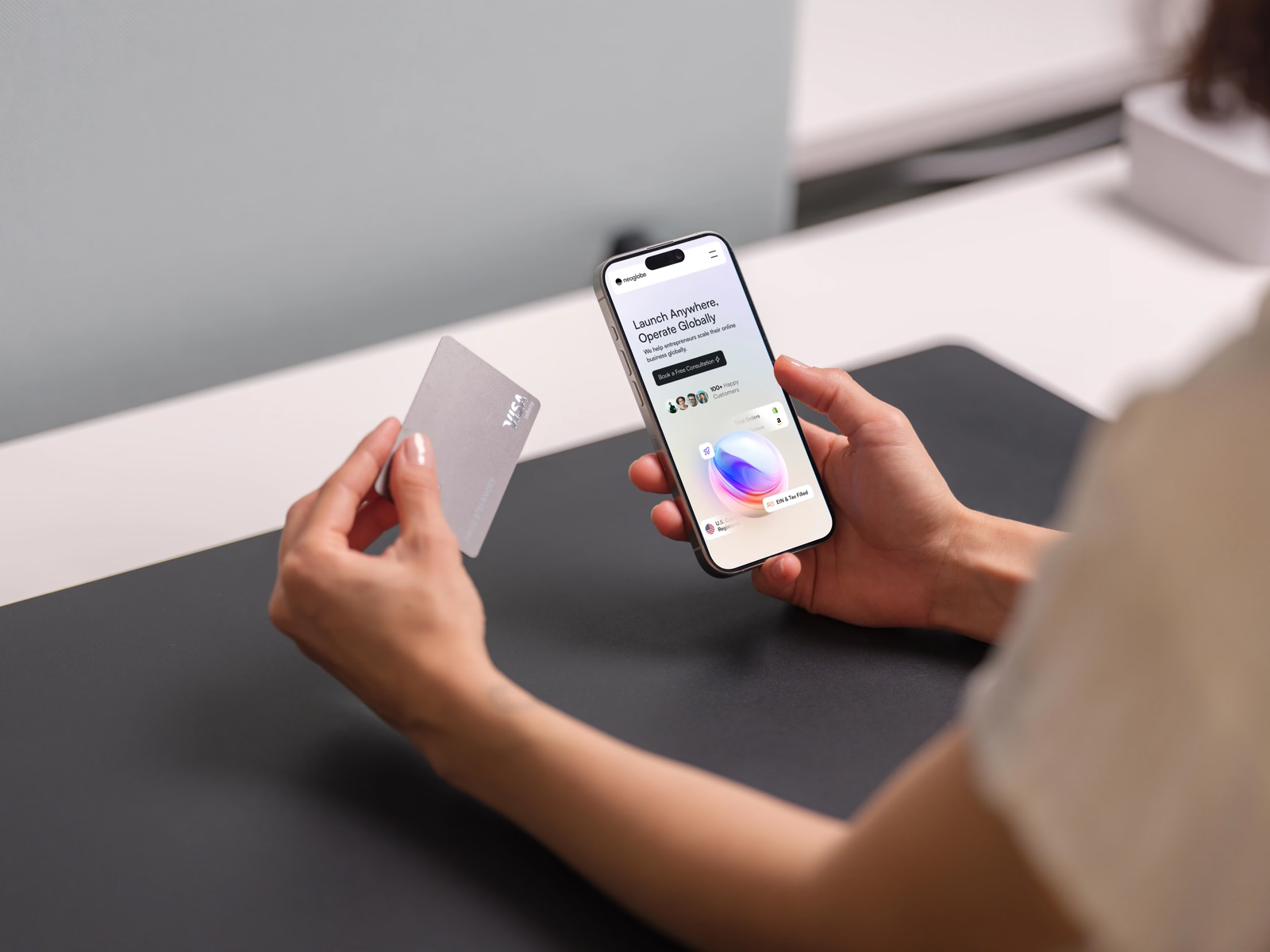
A working product, built end to end. iLokal is a map with real places and filters that hold. Kalo is a calorie tracker that recognises the food people here eat. iButler is a hotel concierge a guest opens from a QR code without installing anything. They are different products with the same shape underneath: one design system, one codebase, one studio responsible for whether it works.
Designing and building in one studio is the part that saves the money. A design handed to a separate developer is a document that has to be interpreted, and the interpretation is where the budget goes.
Who this is for
Founders with a specific product in mind and no engineering team, and businesses whose operation has outgrown the spreadsheet holding it together. The projects that go well arrive with a narrow first version already in mind. The ones that go badly arrive with a platform.
If the idea is still a category rather than a product, the first job here is scoping it down to something that can ship.
How it runs
Four steps, and you own everything at the end. Define settles what is being built and what is left out of version one. Design produces the system and the screens. Build ships it. Run covers deployment, monitoring and the handover: the repository, the accounts and the documentation.
What moves the price
Three thousand euros covers a focused first version: a real front end, a database, accounts and deployment. The number moves on how much of the product is novel, whether payments are involved, and whether it has to work offline or in more than one language.
The largest single multiplier is scope that arrives after the design is signed off. Every project here has a written list of what is not in version one, which exists so that adding something is a decision with a price.
What you get
- A full-stack build, front end through to database
- A mobile-first design system
- Accounts, authentication and payments where the product needs them
- Deployed, monitored and handed over with the repository and the accounts
- A written list of what version one deliberately does not do
- Vibe code cleanup: an audit of an AI-generated app (Rhomn Scan) and the rebuild of what failed it
The work this comes from
Written About This





Questions
How much does MVP app development cost?
From 3,000 euros for a focused first version with a real front end, a database, accounts and deployment. The price moves on how novel the product is, whether payments are involved, and whether it has to work in more than one language. Scope, price and payment terms are agreed in writing before work starts.
Do we own the code?
Yes, entirely, and the handover is the repository and the accounts.
How long does a build take?
A focused first version usually takes weeks, because the scope is settled in writing before design starts and anything added later is priced as a change.
The other practices are on the services page, or tell us what you are building.